Why Is My Oven Not Heating? 5 Causes and What Each Fix Costs
The oven turns on but never gets hot, heats weakly, or the burners work while the oven below stays cold. Electric and gas fail differently, but both usually come down to one inexpensive part.
An oven that will not heat is usually one cheap part, and you can check the main ones in about 15 minutes. Start with the settings and the breaker. Then look at the bottom element on an electric oven or the igniter on a gas oven.
This guide goes in the order a pro checks things, with what each fix costs in Arizona and whether you can do it yourself. The Arizona angle here is small, and we say exactly what is and is not true.
Oven Not Heating costs $150 to $350 for a pro repair in Arizona, parts and labor included.
- Parts $20 to $150, labor $100 to $220, about 45 to 90 minutes on site.
- Priciest fix is the control board relay failed, up to $500.
- 4 of 5 common causes are DIY friendly. Difficulty is moderate.
- Repair, a no heat oven is almost always a sub-$300 fix.
Averages for independent repair companies. The service call fee of $75 to $150 is usually applied toward the repair. Costs vary by brand, model, and city.
The short version
- Check the settings first. Bake, not Broil, and no leftover timer or lock.
- Check the breaker. A 240 volt oven needs both halves of its double breaker on.
- Electric oven with a dark or cracked bottom element, replace the element ($150 to $280 with a pro, much less if you do it yourself).
- Gas oven where the igniter glows but the flame never comes, replace the igniter ($150 to $300 with a pro).
- Oven dead right after a self clean, suspect the thermal fuse or switch ($100 to $220).
- Everything tests good, the control board is next, and that is a job for a pro ($250 to $500).
Most no heat ovens come down to one cheap part. The average pro bill is $150 to $350, and the service call fee of $75 to $150 usually counts toward the repair.
Five minute checks that cost nothing
Do these before you buy a part or book a visit. They fix more ovens than you would think.
Look at the controls. Make sure the oven is set to Bake or Broil. On a range with knobs, the GE Appliances support page says to confirm the temperature and function knobs are in the right place, especially if you pulled them off to clean. On a self clean range with a mechanical door latch, the latch must sit in the unlocked position.
Check the burners. If the stovetop works and the oven does not, the problem is inside the oven circuit. The GE page covers this exact case for electric ranges.
Check the breaker. Per the iFixit oven troubleshooting guide, an electric oven runs on 240 volts and uses a two pole breaker, either two handles tied together or one wide handle. Look for a handle that sits a little out of line with the others. Switch it fully off, then fully on. If it trips again, stop and call a pro or an electrician.
Check the display and light. If the clock and the oven light work but nothing heats, power is reaching the control. That points to a part, not the wall.
Use a thermometer. An oven that gets warm but never reaches the set number has a different problem than one that stays cold. Put a cheap oven thermometer on the middle rack and write down what it reads after 20 minutes.
Cause 1 for electric ovens, a burned out bake element
This is the most common electric oven failure and the easiest to spot. Turn the range off, shut off the breaker, and unplug it if you can. Then look at the bottom element. Per the GE Appliances support page, a crack or a break means it needs replacing.
On a working oven the element glows evenly red. Look for a blister, a gap, or a spot that looks burned through. If it looks fine, a pro can test it for continuity with a meter. A good heating element has a number on the meter. An open one shows no reading.
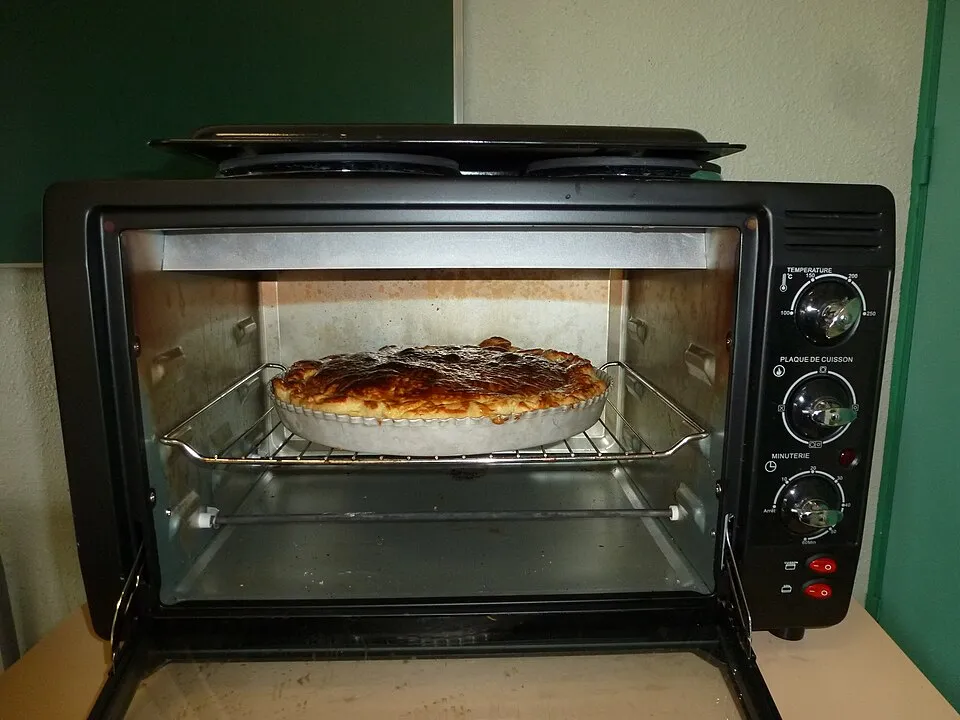
Cost. $150 to $280 with a pro. DIY or pro. DIY friendly. It is two screws and a plug, with the power off. Our step by step guide is How to Replace an Oven Bake Element, and the price breakdown is on the oven bake element repair cost page.
Cause 2 for gas ovens, a weak igniter
Gas ovens use a glow bar. As it heats, it draws more current. That current is what opens the safety valve, and the heat is what lights the gas. The iFixit oven troubleshooting guide calls a weakened igniter the most common failure in a gas oven.
Here is the test. Remove the bottom panel, set the oven to bake, and watch. If the igniter glows but the gas has not lit after 90 seconds, the igniter is weak and should be replaced. If it never glows, a meter check can show whether it is open. iFixit also notes you need the service sheet for your model to check the exact current needed.
Safety first. Turn off the power at the breaker or unplug the range, and close the gas shutoff before you pull anything. If you smell gas at any point, leave the house and call your gas utility from outside.
Cost. $150 to $300 with a pro. DIY or pro. DIY friendly for most people comfortable with a screwdriver, as long as the gas stays off. Follow How to Replace a Gas Oven Igniter or see the gas oven igniter repair cost page.
Some Whirlpool ovens use a spark igniter, not a glow bar. They click, then pause, then try again. After a few tries the system locks out, per iFixit. If yours clicks and never lights, say so on the phone.
Cause 3, the temperature sensor
The sensor is a thin probe at the back of the oven. It tells the control how hot the oven is. If it lies, the control may shut the heat off early or never start it. A bad sensor often shows an F3 or F4 type code, though codes vary by brand.
The iFixit oven troubleshooting guide says these sensors have a very precise resistance, usually 1050 to 1100 ohms at room temperature. It also says they do not fail very often. That is why a sensor is worth checking only after the element or igniter checks out.
Cost. $120 to $250 with a pro. DIY or pro. DIY friendly with a meter. See How to Replace an Oven Temperature Sensor.
Cause 4, a thermal fuse or switch tripped after self clean
If the oven went dead right after a self clean, start here. The iFixit oven troubleshooting guide says a self clean cycle can reach over 800°F, and the thermal switch can trip as if the oven were overheating. Some ovens use a one time thermal fuse instead.
With the breaker off, a pro (or you, if you are handy) finds the part behind the rear panel. A switch may have a reset button. A fuse with no continuity is blown and must be replaced.
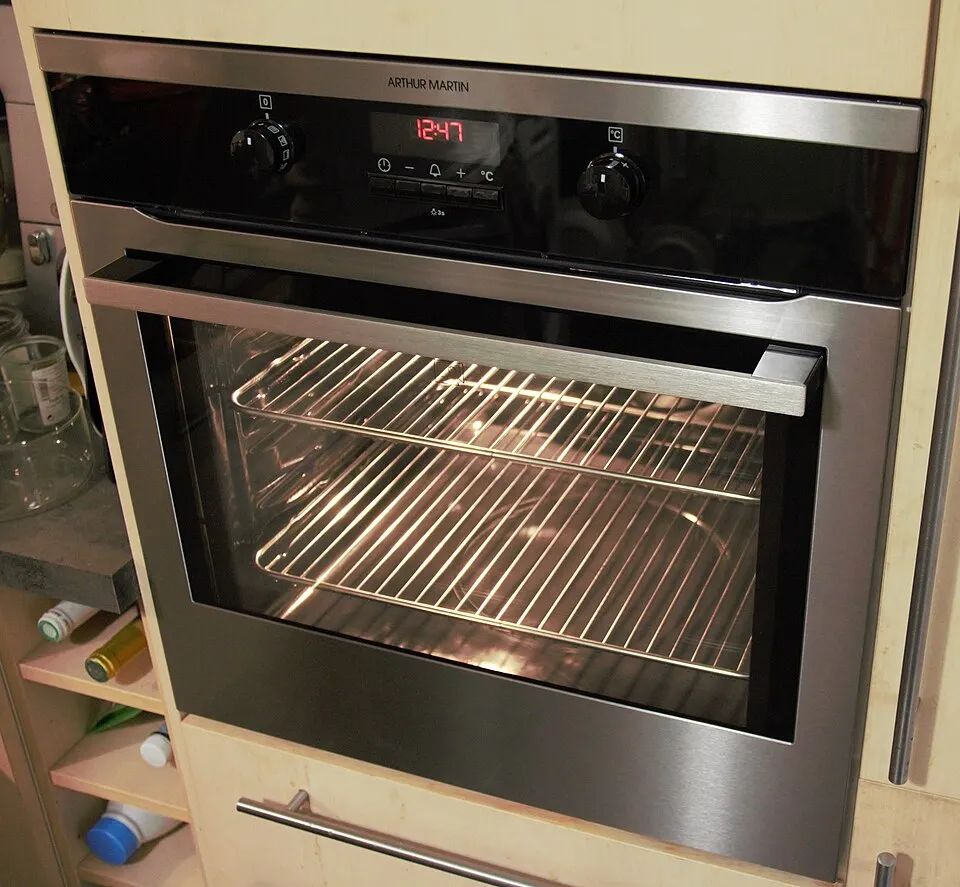


Cost. $100 to $220 with a pro. DIY or pro. DIY friendly on a freestanding range once it is pulled out and unplugged. If the fuse blows again without a self clean, something is making the oven run too hot. Stop using it until a pro checks why.
Cause 5, the control board or relay
The control board tells the element or igniter when to turn on. A relay on the board can fail, so the oven gets the command but no power goes out. The tell is that the clock and lights work, the element and igniter test good, and the oven still stays cold.
This is the last thing to suspect, not the first. A board costs the most of any cause on this page. A pro will test the other parts before condemning it. If your oven also shows odd codes or buttons that do not respond, mention that on the call.
Cost. $250 to $500. DIY or pro. Best left to a pro.
What each fix costs, side by side
Bar length shows the high end of each range. Numbers are the cost figures on this page, parts and labor included.
The two cheapest causes also happen to be two of the most likely, so a pro can often fix the oven for near the low end of the $150 to $350 average. Parts run $20 to $150, labor $100 to $220, and the visit takes about 45 to 90 minutes.
Is there an Arizona angle
Not a big one for this problem, and we would rather say so than invent one. Hard water and desert heat do not cause an oven to stop heating. We found no published data that ties Arizona monsoon storms to a rise in oven failures.
There are two small, real points.
Power events. APS says to turn off and unplug electrical equipment and appliances during an outage, then wait 5 to 10 minutes after power returns before turning on major appliances, to avoid spikes when power is restored (APS summer outage tips). Most electric ranges are hardwired or on a 240 volt cord, so unplugging is not easy. A simple option is to switch the oven off at its breaker during a big storm. We cannot say that prevents a board failure. It only follows the utility advice.
A half tripped breaker. This can follow a storm or a flicker. Electric ovens use a two pole 240 volt breaker, per iFixit. If one handle is slightly out of line, the oven may still show a lit clock but not heat. Reset it fully, as described above.
When to call a pro, and what to say
Call a pro if you smell gas, see scorched wires, the breaker keeps tripping, the fuse blows twice, or the element and igniter both look fine. Do not keep resetting a breaker that trips.
Have these ready for the phone call.
- Brand, model number, and whether it is gas or electric.
- What you see, such as no glow, a glow with no flame, a dark element, or an error code.
- What happened just before, such as a self clean, a storm, or a breaker trip.
- What you already checked, such as the breaker, settings, and thermometer reading.
That list helps the tech bring the right part. Find a local company on our oven and range repair page, or browse repair pros in Phoenix and Tucson. Ask whether the service fee of $75 to $150 applies toward the repair.
Repair or replace
A no heat oven is almost always a repair under $300. Only a failed control board on a cheap old range changes that answer.
Age matters too. InterNACHI lists an electric range life of 13 to 15 years and a gas range life of 15 to 17 years (InterNACHI life expectancy chart). If your range is near the end of that window and needs the $250 to $500 board, replacing it is worth a quote. If it is younger, or the fix is an element, igniter, sensor, or fuse, repair it.
What causes it, and what each fix costs
Bake element burned out (electric)
Look for a visible blister, break, or spark burn on the bottom element. It should glow evenly red when working.
Igniter too weak to open the valve (gas)
The glow bar draws current to hold the safety valve open. A tired igniter glows but never lights the gas, or takes minutes to.
Temperature sensor out of spec
The control thinks it’s already hot. Often throws an F3/F4-type code.
Thermal fuse tripped (after self clean)
The classic post self clean casualty.
Control board relay failed
When elements, igniter, and sensors all test good.
Repair or replace?
Repair, a no heat oven is almost always a sub-$300 fix. Only a board failure on a cheap old range changes the answer.
Sources
Where the safety, regulatory and warranty claims on this page come from. Repair costs are our own figures based on Arizona market rates and OEM parts pricing.
- Carbon Monoxide Safety Guide U.S. Consumer Product Safety Commission Carbon monoxide risk from gas cooking and heating appliances.
Sources we checked
Last checked October 20, 2026.
We'll quote you on hauling it away, or buying it.
Not every oven & range is worth repairing, and we'd rather tell you that than sell you a repair. If you're replacing it, we'll give you a free quote either way. Scrap pickup for a machine that's finished, or a cash offer if it still has life in it. Working units, recent models and premium brands are often worth real money.
Quick Questions
Why is my oven on but not heating?
The control has power, but the part that makes heat is not getting it. On an electric oven that is often a burned out bake element or a half tripped 240 volt breaker. On a gas oven it is usually a weak igniter.
Why does my gas oven igniter glow but not light?
A weak igniter glows but does not draw enough current to open the safety valve. If the gas has not lit after 90 seconds of glowing, replace the igniter. Shut off the power and the gas before you work on it.
Can a tripped breaker cause an oven not to heat?
Yes. Electric ovens use a two pole 240 volt breaker, and one half can trip while the clock still works. Switch it fully off, then on. If it trips again, call a pro or an electrician.
Why did my oven stop heating after a self clean?
A self clean cycle can reach over 800°F and may trip the thermal switch or blow the thermal fuse. Both are low cost parts. A pro can test them in a visit.
How much does it cost to fix an oven that is not heating?
A pro repair costs $150 to $350 on average in Arizona, with parts at $20 to $150 and labor at $100 to $220. A control board is the high end at $250 to $500.
Is it worth fixing an oven that will not heat?
Usually yes. Electric ranges last about 13 to 15 years and gas ranges 15 to 17 years, per InterNACHI. Replace only if it is old and needs the control board.
My gas oven igniter glows but no flame, is that the igniter?
Almost certainly yes. It looks alive but isn’t drawing enough current to open the gas valve. This exact symptom is the most common gas oven repair.
Model specific guides for this problem
Find a oven & range repair pro near you.
Browse independent appliance repair companies by city, ratings, hours, and phone numbers, no middleman.