Can You Keep a Refrigerator in a Garage in Arizona?
A standard fridge is built for 55 to 110 degree rooms, and Phoenix averages 106.5 in July. What happens, what garage ready means, and how to help your fridge.
You can, but a standard kitchen fridge was not built for an Arizona garage in summer. Whirlpool says its full size refrigerators are meant for a room between 55 and 110 degrees Fahrenheit, and it does not recommend garages unless the space is insulated and climate controlled. Phoenix Sky Harbor averages a high of 106.5°F in July, per NOAA 1991 to 2020 climate normals, and a closed garage that bakes in the sun can run warmer still. When it does, the fridge runs longer, the food warms up, and parts wear faster.
Answer Box
- Standard fridges are rated for about 55 to 110 degrees around the cabinet.
- A hot garage makes the compressor run nearly nonstop, which costs power and shortens its life.
- A garage ready model is built and tested for a wider room temperature range. Check the exact range on the spec sheet.
- Shade, airflow and clean coils help any fridge cope with heat.
Why Heat Is Hard on a Refrigerator
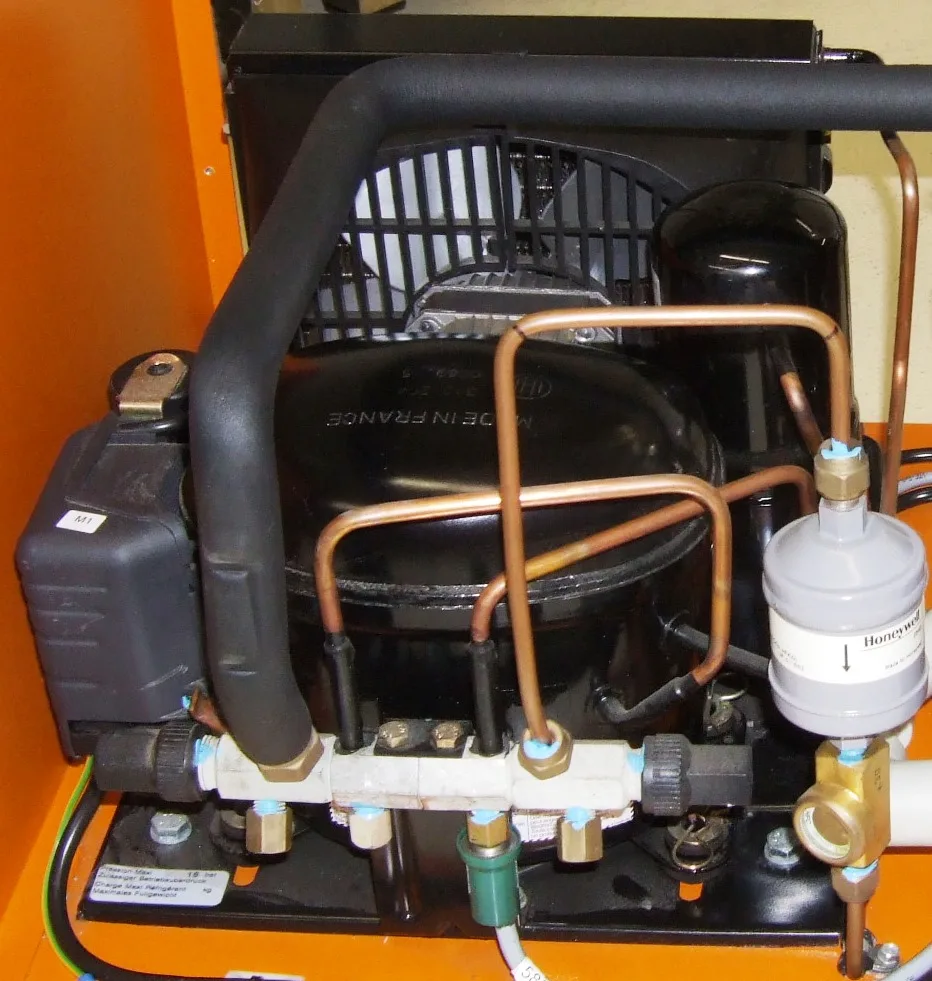
A fridge does not make cold. It moves heat from inside the box to the air around it. The compressor pumps refrigerant, and the condenser coils give the heat off into the room. That only works well when the room is cooler than the hot coils.
In a garage over 110 degrees, the gap between the coils and the room shrinks. The fridge has to run longer to shed the same heat. It may never shut off. Whirlpool notes that garage heat can overwork the cooling system. You see that as a warm fresh food side, soft ice cream, a hot cabinet side, and a power bill that climbs in summer.
Long run times also add wear. The compressor, the condenser fan and the start relay all work harder. On some models the overload protector will click the compressor off when it gets too hot, then try again a few minutes later. That clicking is a sign the fridge is fighting the room, not always a sign that a part has failed.
Cold Nights Matter Too
Northern Arizona garages in Flagstaff or Prescott can go the other way in winter. When the garage gets cold, the fridge thermostat may sense that the fresh food side is already cool and run less. The freezer then warms up, since it depends on the same cooling run. Whirlpool lists low temperatures as a cause of freezer swings and partial thawing. In the low desert this is rare, but it is worth knowing if you have a cabin or a second home up north.
What Garage Ready Means
A garage ready refrigerator is a model the maker has designed and tested for a wider range of room temperatures than a kitchen unit. The exact range differs by brand and model, so do not assume. Before you buy, open the spec sheet or the install guide and look for the stated ambient temperature range. Make sure the top of that range covers your garage on the worst day of the year.
If the listing does not state a range, ask the seller in writing. A label that says garage ready with no numbers behind it is not much help in Arizona.
How to Tell If Your Garage Is Too Hot
Average outdoor highs at Phoenix Sky Harbor from NOAA climate normals, 1991 to 2020. Tucson runs a few degrees cooler, with a July average high of 100.2°F (NOAA). The 110°F limit is from Whirlpool. A garage in the sun can run hotter than the outdoor reading. Chart made by us from those numbers.
Put a cheap thermometer near the fridge, at about the height of the coils, and check it at three or four in the afternoon on a hot day. Many people are surprised by the reading. A west facing garage door that bakes in the sun all afternoon is the worst case.
Then check the fridge itself. A food thermometer in a glass of water on the middle shelf should read 40 degrees or below, the line the FDA uses for safe fridge food. The freezer should stay frozen hard. If either one drifts up every afternoon and recovers at night, the room is winning.
Ways to Help the Fridge You Already Have
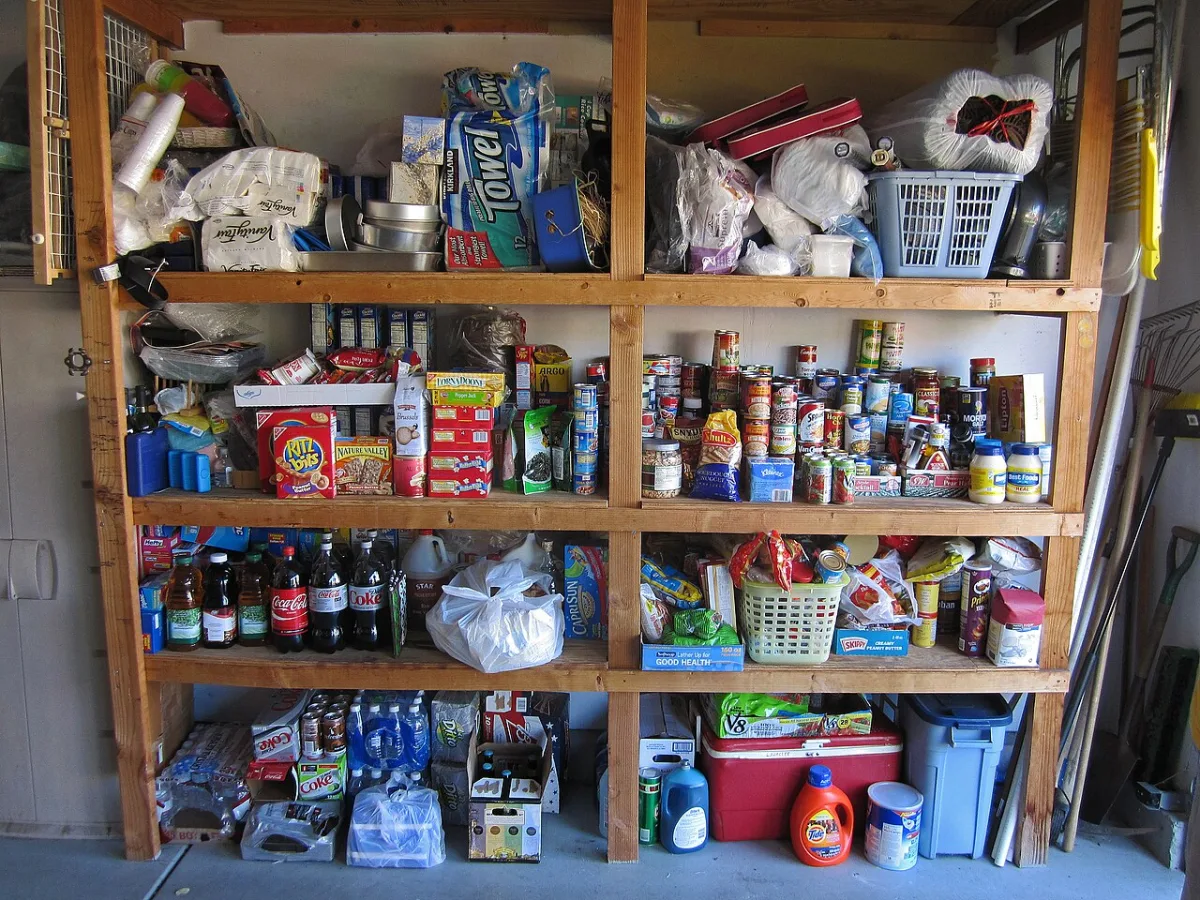


- Give it room to breathe. Pull it a few inches from the wall so hot air can leave the back and the bottom. Check the install guide for the clearance your model needs.
- Clean the condenser coils. Dust and pet hair act like a blanket. In a dusty garage, twice a year is a good habit. Our guide on how to clean refrigerator condenser coils walks through it.
- Keep it out of the sun. Do not park it where light through a window or an open door hits the cabinet.
- Keep it full but not packed. Cold drinks and food hold temperature when the door opens. Leave space for air to move inside.
- Open it less. Every door opening lets in garage air. Grab what you need for the day in one trip.
- Cool the garage if you can. Insulating the garage door or adding a vent fan helps the fridge, the freezer and anything else stored out there.
Signs It Needs a Repair, Not Just Shade
Heat makes weak parts fail sooner, so a garage fridge often shows trouble first in June. Call a pro if you notice any of these.
- The fridge stays warm at night when the garage has cooled down.
- The compressor clicks on and off every few minutes all day.
- The condenser fan does not spin when the compressor runs.
- Frost builds up on the back wall of the freezer.
- Water pools under or inside the unit.
Our repair guides cover a refrigerator that is not cooling and one that runs all the time, with what each fix usually involves.
Is It Worth Fixing an Old Garage Fridge?
Many garage fridges are the old kitchen unit that got moved out when a new one came in. If it is near the end of its life and needs a sealed system repair, the math often favors a new garage ready model. If it needs a fan, a relay or a cleaning, the repair is usually small. Our page on what a refrigerator costs to own over its life and the post on repair cost and when to replace can help you decide.
When you are ready to have it looked at, you can find a local refrigerator repair company or browse the refrigerator repair listings.
Studies and Pages
- Whirlpool Product Help, What is the Proper Location and Environment for a Refrigerator, 55°F to 110°F room range and garage note.
- NOAA National Centers for Environmental Information, 1991 to 2020 monthly normals, Phoenix Sky Harbor and Tucson International Airport.
- U.S. Food and Drug Administration, Food and Water Safety During Power Outages and Floods, fridge at 40°F or below.
Photos from Wikimedia Commons. Condensing unit by AnyNameWillExpire under CC BY-SA 4.0. Garage shelves by istolethetv under CC BY 2.0. Chart made by us from the NOAA normals and the Whirlpool range.
All sources opened October 17, 2026.
Quick Questions
Will a regular refrigerator break in a hot garage?
It may not break right away, but it will run much harder and may not keep food cold on the hottest afternoons. The extra run time wears the compressor and fans sooner.
What temperature range is a standard fridge made for?
Whirlpool states 55 to 110 degrees Fahrenheit for its full size models. Other brands are similar, but check the install guide for yours.
Is a garage ready fridge worth it in Phoenix?
If the fridge will live in a garage that is not cooled, a model rated for a wider room temperature range is the safer choice. Read the stated range before you buy.
Why does my garage fridge click on and off in summer?
The compressor may be getting hot enough to trip its overload protector. Better airflow and clean coils often help. If it keeps happening at night too, have a tech check the start relay and fan.
Other Fixes
More from the blog
Every six months, sooner if flow slows or ice shrinks. What a fridge filter does with Phoenix water, why it misses hard water, and how to spot fakes.
About 4 hours in a closed fridge, 48 in a full freezer. What to keep, what to toss, the Arizona heat rule, and what to do if the fridge will not restart.
Once a year is the answer for most Arizona homes, and sooner after a dust storm or with a long or roof vent. The schedule, the code limits and the warning signs.
White film on glasses is usually hard water scale, and Phoenix water is very hard. It covers how to tell scale from etching, how to clean it off, and how to stop it coming back.
Kenmore has never had one factory. Other makers built its appliances. The three digits before the dot in a Kenmore model number usually tell you which one.
GE Appliances has been owned by Haier since 2016. Frigidaire has been part of Electrolux since 1986. That shapes parts, warranties and repairs.
Maytag, KitchenAid, Amana and JennAir appliances are all Whirlpool Corporation brands. The family fits together a few ways, and that matters when one of them needs a repair.
Ten safe checks to run before you book an appliance repair, from power and filters to model numbers, so you save time and sometimes the call.
What common appliance repairs cost in Arizona, why prices vary, and a simple rule for deciding whether to repair or replace your machine.
A plain checklist for picking a local appliance repair company, from reviews and fees to warranties, plus how to use the directory to compare options.
Where to look for the model and serial number on a washer, dryer, fridge, dishwasher and range, and why that number decides which part fits.
A nut driver is the most used hand tool in appliance repair. Learn what it is, which sizes to buy, and how it differs from a screwdriver or a socket set.
Find a washer repair pro near you.
Browse independent appliance repair companies by city, ratings, hours, and phone numbers, no middleman.